FORWARD DEPLOYED ENGINEER / FIELD TO PRODUCTIONAI SOLUTIONS / PRODUCT / DELIVERY

Turn real problemsinto AI that shipsand keeps working.

00 / INTRODUCTION

I’m Fengyu, a Forward Deployed Engineer. Bring the real workflow; I connect users, data, models and existing systems—validate value first, then ship with the controls production requires.

Discuss your AI use case
Use-case discoveryWorking prototypesData and system integrationProduction launchOperational improvement

FROM FIELD TO PRODUCTION

Start with one real problem.
Deliver something that works.

Understands the business.
Finishes the system.
Owns the path to launch.

You should not have to translate between consultants, product and engineering. I turn the business goal into a testable plan and carry one responsibility chain through launch and handoff.

01

Define the right problem

Enter the real workflow and find the bottleneck that changes outcomes instead of forcing a model-first idea.

02

Make value visible early

Build something usable and measurable, so the team has evidence to continue, adjust or stop.

03

Connect the critical workflow

Join frontend, backend, data, enterprise systems and models so the solution fits existing work.

04

Own the path to launch

Cover permissions, evaluation, logs, release and handoff so the system remains controllable after launch.

ANONYMIZED PROJECT EXPERIENCE

Show the work delivered
while protecting every boundary.

To honor confidentiality obligations and third-party rights, this section does not display the names, logos, trademarks or other identifiers of clients, collaborators or project-related organizations without the relevant rights holder's prior written permission. The following is limited to anonymized summaries of project sectors, use cases and delivery capabilities. It does not identify or imply any specific organization and does not represent any organization's endorsement, recommendation or approval of me, my services or project outcomes.

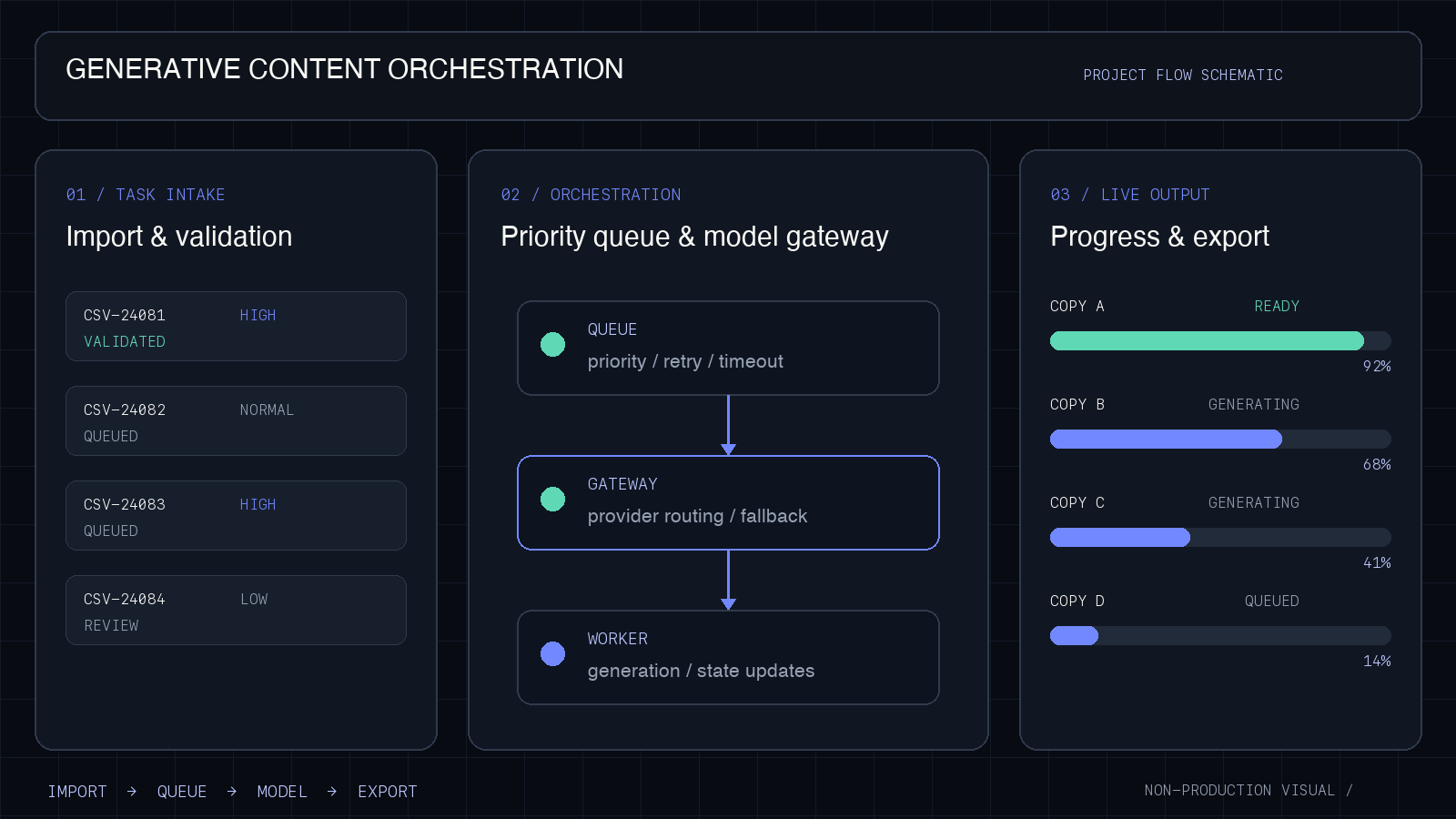
  • EnterprisePROJECT SECTORAn anonymized project sector that does not identify a specific organization
  • E-commercePROJECT SECTORAn anonymized project sector that does not identify a specific organization
  • ManufacturingPROJECT SECTORAn anonymized project sector that does not identify a specific organization
  • Supply ChainPROJECT SECTORAn anonymized project sector that does not identify a specific organization
  • Financial ServicesPROJECT SECTORAn anonymized project sector that does not identify a specific organization
  • Spatial DesignPROJECT SECTORAn anonymized project sector that does not identify a specific organization
  • HealthcarePROJECT SECTORAn anonymized project sector that does not identify a specific organization
  • EducationPROJECT SECTORAn anonymized project sector that does not identify a specific organization
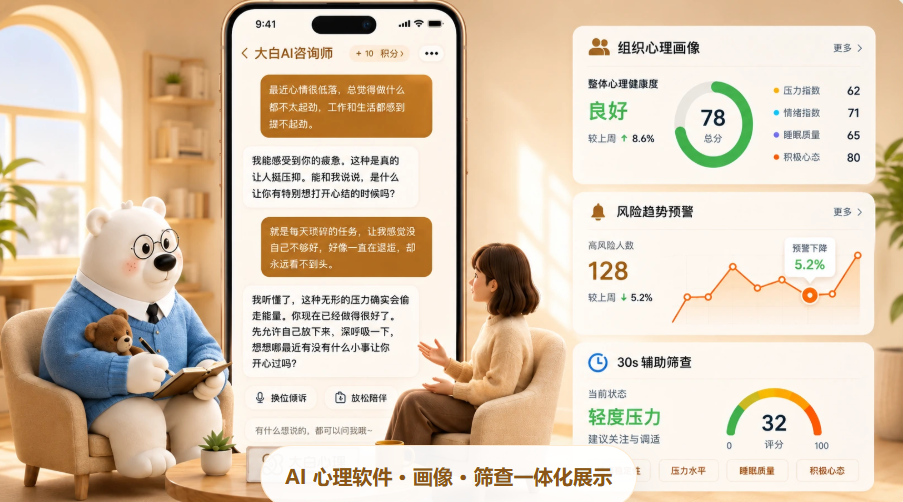
  • Enterprise KBUSE CASEAn anonymized use case that does not identify a specific client
  • Search & Q&AUSE CASEAn anonymized use case that does not identify a specific client
  • Workflow AutomationUSE CASEAn anonymized use case that does not identify a specific client
  • Content AutomationUSE CASEAn anonymized use case that does not identify a specific client
  • Product SelectionUSE CASEAn anonymized use case that does not identify a specific client
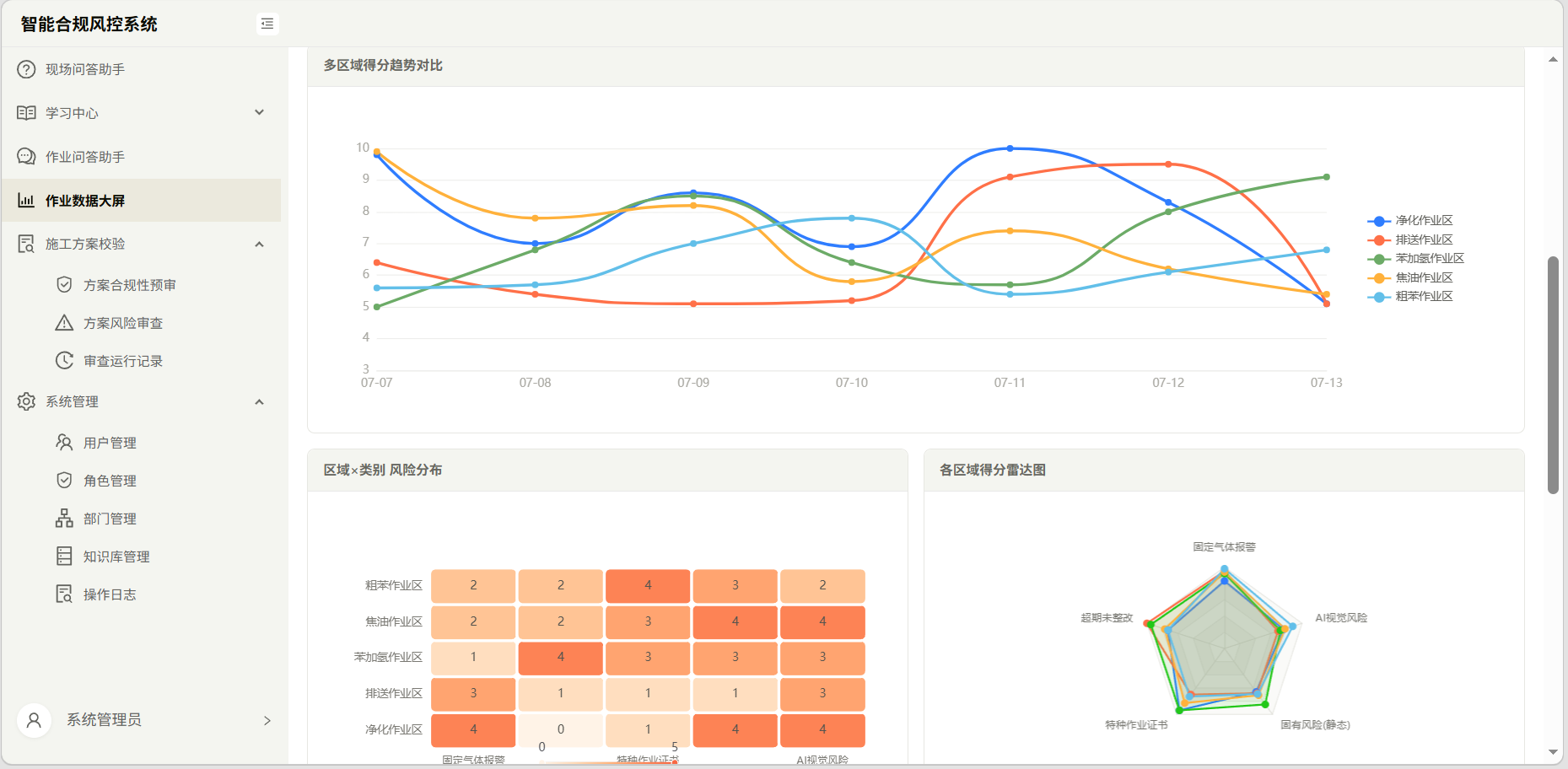
  • Data InsightsUSE CASEAn anonymized use case that does not identify a specific client
  • System IntegrationUSE CASEAn anonymized use case that does not identify a specific client
  • Internal OpsUSE CASEAn anonymized use case that does not identify a specific client
  • DiscoveryDELIVERYA public summary of delivery capabilities
  • Solution DesignDELIVERYA public summary of delivery capabilities
  • Prototype ValidationDELIVERYA public summary of delivery capabilities
  • Full-stack BuildDELIVERYA public summary of delivery capabilities
  • Agent WorkflowsDELIVERYA public summary of delivery capabilities
  • RAG EngineeringDELIVERYA public summary of delivery capabilities
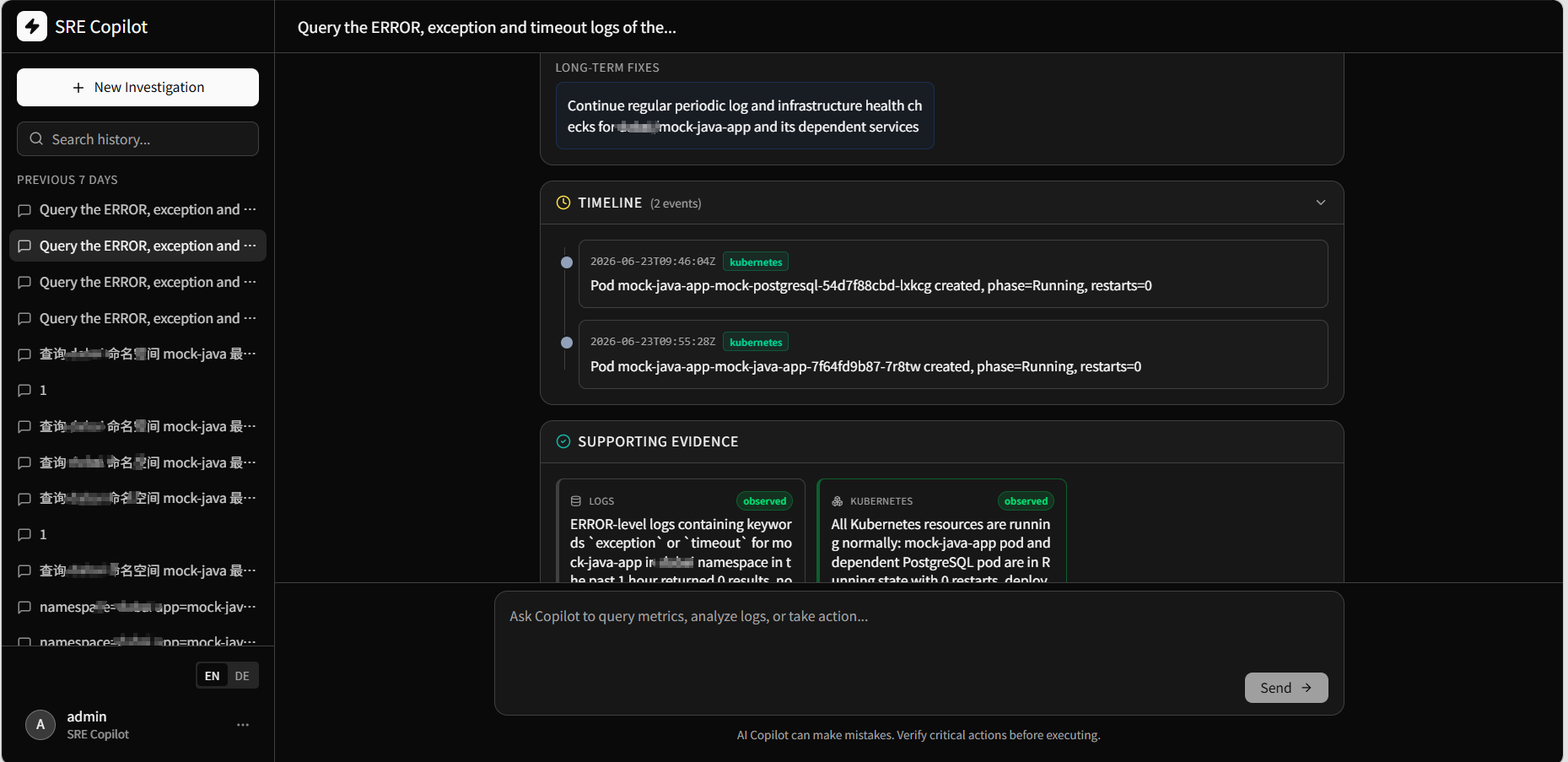
  • MCP IntegrationDELIVERYA public summary of delivery capabilities
  • Deploy & IterateDELIVERYA public summary of delivery capabilities

AI APPLICATIONS / PLATFORM ENGINEERING

Real projects are more than screens.
See how they reach production.

Each case explains the problem it solves, how the system works, where the engineering gets hard, and my role in delivery. Choose a case directly or use the arrows to find the scenario closest to yours.

This selection includes independent and team projects. Roles and public facts follow Fengyu's resume and approved information; client-sensitive material, team details and unverified outcomes are not disclosed.

DISCOVER. PROTOTYPE. DEPLOY. ITERATE.

Validate with a smaller bet.
Scale only what proves useful.

  1. 01DISCOVER

    Align on outcomes and boundaries

    Define the result to improve, the real users, available data and constraints that cannot be crossed.

  2. 02PROTOTYPE

    Remove the biggest risk first

    Validate the critical workflow and quality so the team has evidence to continue, adjust or stop.

  3. 03DEPLOY

    Integrate with existing systems

    Complete data, permissions, failure handling, testing and release so the demo becomes an operating product.

  4. 04ITERATE

    Improve through real usage

    Use feedback to refine the workflow, experience and model, then complete documentation and handoff.

What I believe

“The goal is not a convincing demo. It is AI that gets used and keeps working.”

I first ask whether a use case is worth building, then choose the simplest path that can prove it. Delivery includes more than code: adoption, data and permission boundaries, reliability, and a maintenance model the team can own.

HOW TO BECOME AN FDE

How do you become an FDE?
Build evidence that you can deliver.

This public Chinese-language guide is for developers with programming fundamentals and no prior FDE experience. Instead of memorizing a tool list, you move from role definition and skill gaps through discovery, engineering delivery, AI evaluation and production readiness, then turn the work into portfolio and interview evidence.

WHO IT IS FORLearners who can build a small service in at least one language, use Git, HTTP APIs, SQL and basic tests, and commit 8–12 hours per week to the standard path.

STANDARD LEARNING PATH
20–28 WEEKS
FDE CAPABILITY MATRIX
6 DIMENSIONS
PROGRESSIVE PRACTICE
3 PROJECTS
  1. 01

    Define the role

    Distinguish FDE work from adjacent roles and write a target-role brief.

  2. 02

    Map the gaps

    Use the six-dimension matrix and create a focused 30-day plan.

  3. 03

    Run discovery

    Turn an ambiguous AI request into a testable Discovery Brief.

  4. 04

    Build AI systems

    Create the data foundation, RAG baseline, evaluation and MCP boundaries.

  5. 05

    Deliver to production

    Cover auth, permissions, monitoring, SLOs, rollback, drills and handoff.

  6. 06

    Turn work into proof

    Convert decisions, failures and results into portfolio and interview evidence.

CAPSTONE

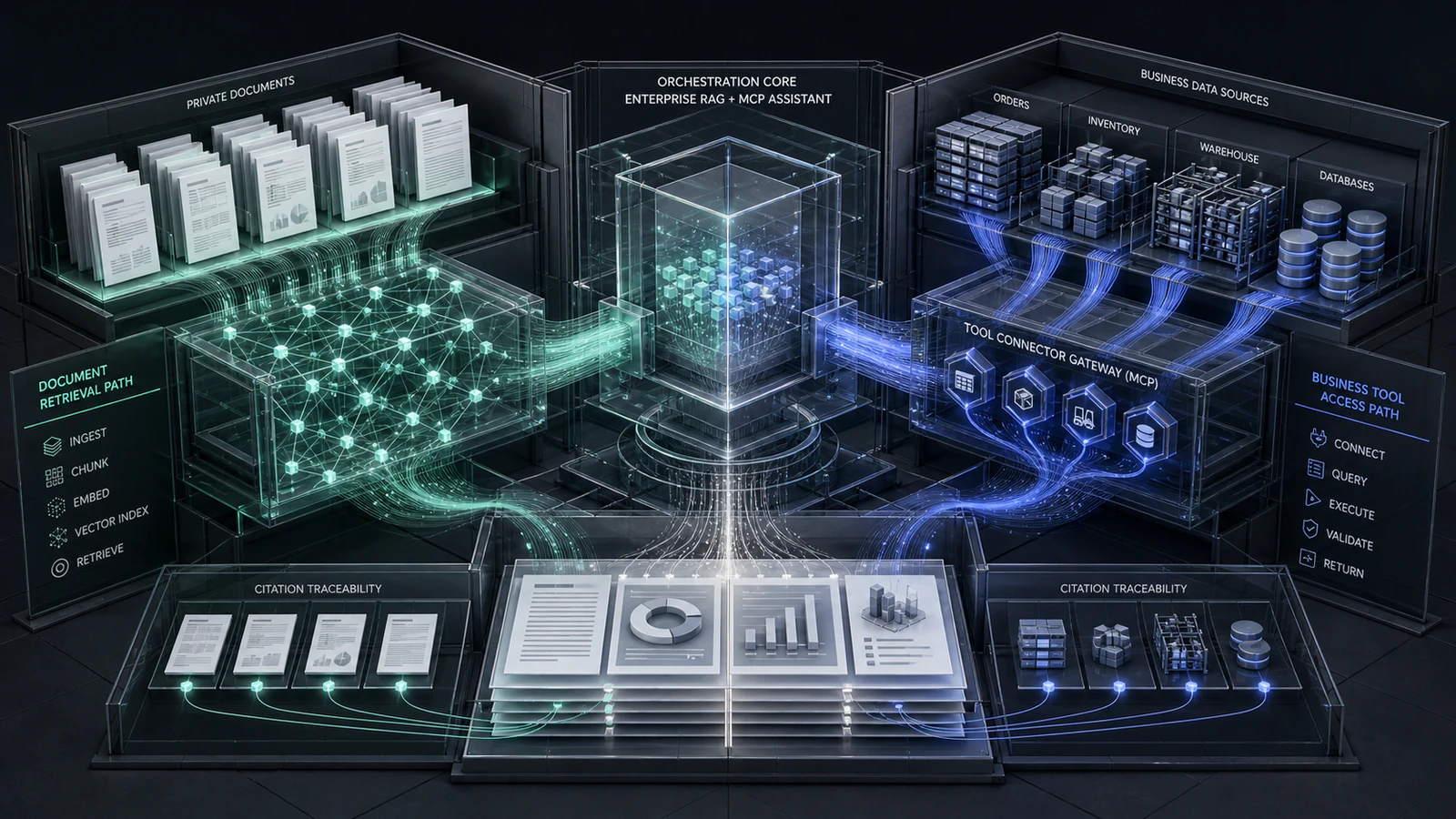
Enterprise RAG + MCP Assistant

The guide provides a v0.1 project contract plus design and acceptance criteria. You implement the deployable, evaluable, auditable, degradable, reversible and transferable vertical slice yourself; it is not a ready-made business codebase.

PROOF OF COMPLETION

Produce a Discovery Brief, versioned evaluation set, threat model, operating evidence, runbook and a reviewable portfolio evidence chain.

This is not an employment guarantee. Always check the latest requirements for your target role.

Available for AI delivery projects

Turn your business problem
into the next shipped outcome.

If you have a defined use case, bring the current blocker and desired result. If you do not know where to start, describe the workflow. Email the details or scan the WeChat QR code to start a conversation.

Personal WeChat QR code for Fengyu
WECHAT / PERSONAL CONTACTAdd my personal WeChat

WeChat profile location: Västmanland, Sweden. Scan on desktop; on mobile, press and hold to save and recognize it in WeChat.